Guest Article by Jennifer Scott
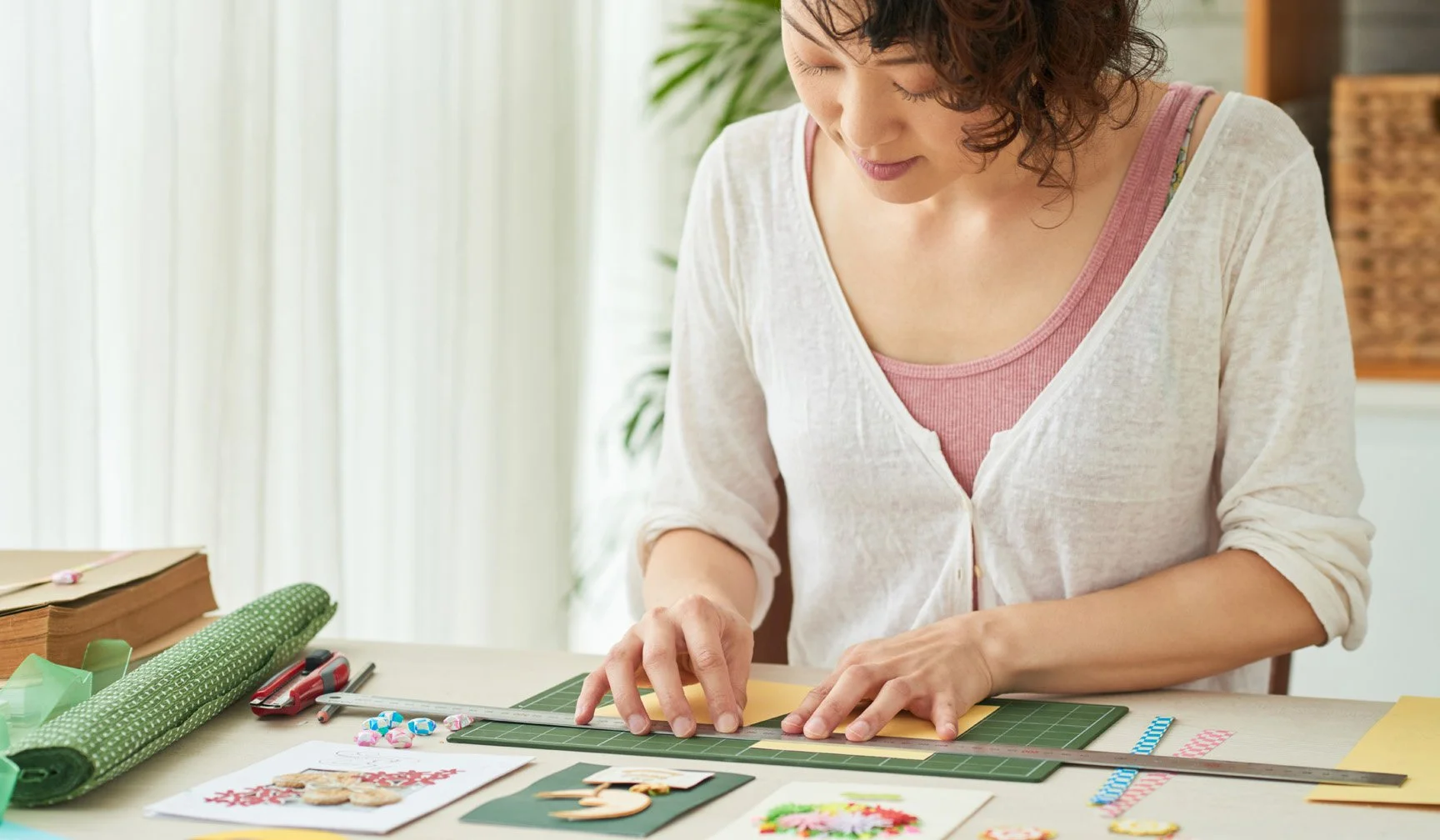
Busy adult crafters rarely stop loving their craft, they just keep losing their spot in the day. The real tension is balancing creativity and responsibilities when family and work commitments take priority, and every free minute gets pre-assigned. Creative routine challenges often look like “no time,” but they’re usually time management for creatives colliding with fatigue, cluttered attention, and the pressure to craft only when there’s a perfect block of time. With a routine that respects real life, creativity can become a steady part of the week again.
Quick Summary: Build a Craft Routine That Lasts
● Focus on small milestones to make steady progress without needing big blocks of time.
● Choose flexible crafting projects that fit your changing schedule and energy.
● Integrate creativity into daily life with simple, realistic routines you can repeat.
● Use sustainable crafting routines that prioritize what works now, not perfection.
Spark New Craft Variations Fast with Image-to-Image Exploration
When you’re working in tiny pockets of time, the fastest way to keep momentum is to remove the “what should I make?” roadblock. AI design tools can help you generate quick creative visuals, think fresh patterns, new colorways, or simple project prompts, so you can make progress in brief windows without feeling stuck or overwhelmed.
One especially low-friction approach is an image-to-image generator: you start with a reference image you already like (a sketch, a photo of a past project, even a mood-board snippet), then add a short prompt describing what you want to change. The tool transforms that original into new visual styles or variations, giving you multiple directions to choose from in minutes instead of starting from scratch. If you want to try this style of exploration, the Adobe Firefly image to image AI is an example of an image-to-image generator that uses your reference image plus your prompt to guide the output.
Set Up Systems That Make Crafting Automatic
If you’re waiting for a big empty afternoon to craft, you’ll keep feeling “behind.” Instead, set up a few small systems that make creativity the default, something you can slip into even on full days.
Define tiny creative milestones (so you can “finish” in 5–15 minutes): Pick a short list of micro-steps you can complete in one pocket of time, thread the needle, cut fabric for one block, print and tape a pattern, crochet 10 rows, test two colorways. Keep them written on a card or note right inside your project bin. This works because your brain gets a clear, winnable finish line, and you build momentum through repetition, not willpower.
Keep a ready-to-use workspace (no setup tax): Choose one surface, desk corner, kitchen cart, a tray on a shelf, and make it “craft-ready” at all times. Store your most-used tools within arm’s reach and pre-load the basics: scissors, adhesive, marking tool, the current project, and a small trash cup. A workspace that feels inviting also supports follow-through, and productivity increasing when employees are engaged hints at why a motivating environment can help you show up more consistently.
Create a portable project kit (craft anywhere, not just at home): Build one “grab-and-go” bag for low-mess work: hand stitching, weaving ends, paper piecing, sketching motifs, assembling small components, or choosing thread palettes. Keep it stocked with only what you need for 1–2 milestones plus a zip pouch for notions. This turns waiting rooms, kid practices, and lunch breaks into tiny creative deposits.
Embed crafting into an existing routine (anchor it to something you already do): Pick one daily trigger, morning coffee, after dinner, right after you plug in your phone, and pair it with 10 minutes of making. Keep the rule simple: you don’t have to “make progress,” you just have to open the project and do one micro-step. Anchors beat motivation because they remove the decision fatigue of “when will I craft?”
Use image-to-image exploration as your 3-minute warm-up (then pick one variation): When you’re short on energy, generate a few quick variations, colorway swaps, border ideas, motif tweaks, then choose exactly one to test today. Save the rest in a “Later” folder so inspiration doesn’t become a detour. The win is turning visual exploration into a bridge that gets your hands moving, not another rabbit hole.
Run a weekly 10-minute reset (so your systems stay automatic): Once a week, restock the portable kit, clear the workspace, and choose next week’s 3–5 micro-milestones. If you’re mid-project, decide the single “next obvious step” and stage it on top. Small resets prevent the quiet chaos that feeds procrastination, and they make it easier to create with a calm, steady mindset even when life gets loud.
Next week we’ll discuss Habits that protect your crafting momentum and choosing progress over productivity to sustain your crafting rhythm.
About the Author
Jennifer Scott is a single mom who writes about the ups and downs of her mental illness on SpiritFinder.org. The blog serves as both a source of information for people with mental illness and a forum where those living with anxiety and depression can come together to discuss their experiences. Based in Philadelphia, she enjoys traveling, working with animals, and seeking out new friendships and adventures.
If you would like to write a guest article for Susan Newberry Designs, feel free to contact us. If you enjoyed this article and would like to read more like this, just sign up below so you won’t miss a thing. You’ll also receive a 10% off coupon to use here or in my Etsy store.
Thanks for stopping by…
Until next time,